Support the Ibises in Noto by eating rice  Local producers + ibis + supporters = Future of Noto Support the Ibises in Noto by eating rice  Local producers + ibis + supporters = Future of Noto

The Future of Noto: Rice and Ibis

To promote the stewardship of the crested ibis’ habitat, we provide certification to rice farmers implementing ecofriendly agricultural practices (reduction of chemical fertilizers and synthetic pesticides) and are creating initiatives to cultivate habitats for the ibis’ prey in rice fields as this is the ibis’s primary foraging grounds.This includes ensuring these foraging grounds are accessible even in the winter.

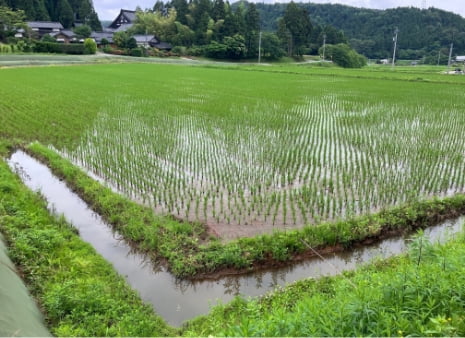
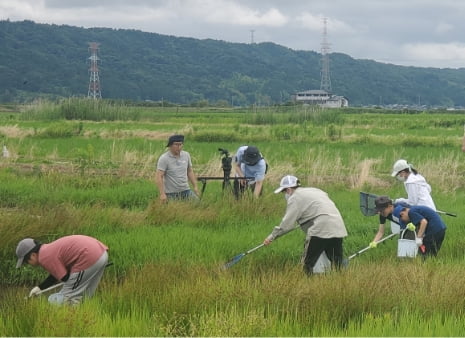
A scene of rice paddies where crested ibises live

The Future of Noto: Rice and Ibis Certification System

Name of the Certification

The name of the “Future of Noto: Rice and Ibis” Certification System embodies three aspirations:Revitalization of Noto’s Satoyama Satoumi landscapes, spurred by the reintroduction of the crested ibis to the areaHarmonious coexistence with the crested ibis, where people and nature live in balanceStrong recovery from the 2024 Noto Peninsula earthquake.
A photo illustrating the vision behind the name of the “Thrilling Future Rice Farming in Noto” Certification Program

Certification Mark

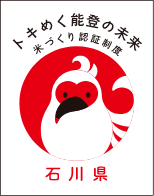
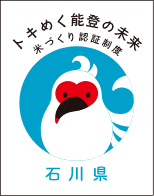
This mark identifies rice produced using certified rice farming practices as explained below.There are two versions of the mark, depending on the specific farming methods employed.Only rice grown using farming practices that protect the habitat of the crested ibis is eligible to display this mark.Please help us to support our farmers dedicated to the reintroduction of the crested ibis.

This mark is your guide to certified rice! This mark is your guide to certified rice!

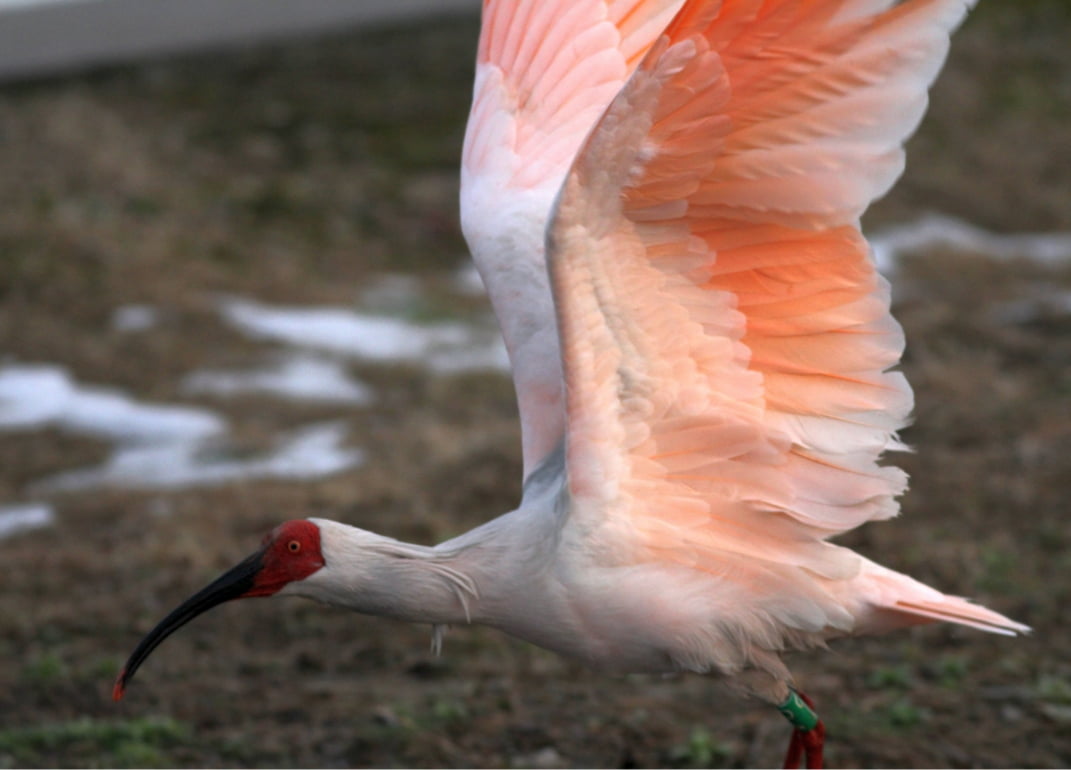
I love soaring through Noto’s Satoyama and Satoumi landscape, with the sunlight shimmering on my rainbow-colored feathers.I connect people with nature, bringing happiness to Noto as a symbol of recovery and sharing its what’s great about Noto with everyone.

This mark is your guide to certified rice! This mark is your guide to certified rice!

Certification Criteria

・Produce rice while reducing the use of chemical fertilizers and synthetic pesticides compared to conventional rice farming practices
・Work to create foraging grounds for the crested ibis
Certification is based on the following two criteria:

Certification Criteria

Mark color Chemical fertilizers and synthetic chemical pesticides Construction of inlets Construction of canals for fish Construction of flooded rice paddies Flooding of rice fields in winter No use of herbicides Wildlife surveys
赤マーク 石川県 Over 50% reduction Select one of the above Required Required Carried out at least once per year
青マーク 石川県 Over 30% reduction Select one of the above
Mark color 赤マーク 石川県 青マーク 石川県
Chemical fertilizers and synthetic chemical pesticides Over 50% reduction Over 30% reduction
Construction of inlets Select one of the above Select one of the above
Construction of canals for fish
Construction of flooded rice paddies
Flooding of rice fields in winter Required
No use of herbicides Required
Wildlife surveys Carried out at least once per year
  • Construction of inlets

    Construction of inlets

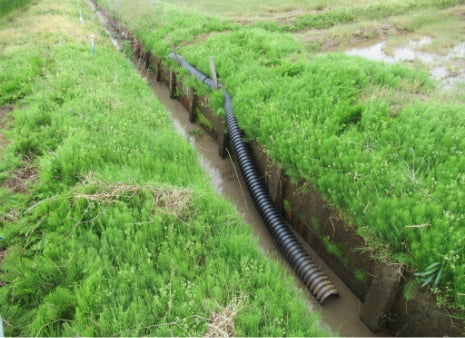
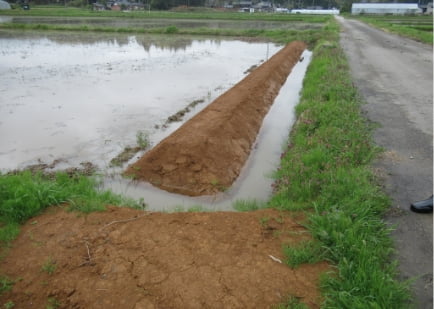
    Creation of wetland-like depressions in rice paddies to serve as habitats for aquatic wildlife that serve as prey for the ibis

  • Construction of canals for fish

    Construction of canals for fish

    Creation of channels through rice fields so that fish and small aquatic wildlife can move freely

  • Construction of flooded rice paddies

    Construction of flooded rice paddies

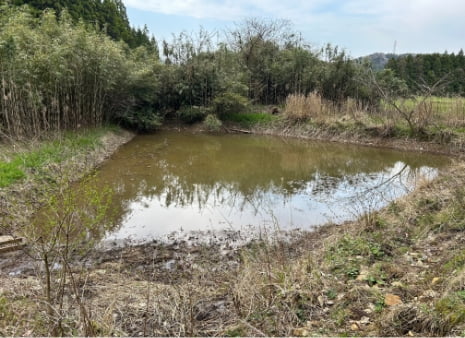
    Facilitation of rich ecosystems by keeping fallow fields and similar areas flooded year-round (biotope)

  • Flooding of rice fields in winter

    Flooding of rice fields in winter

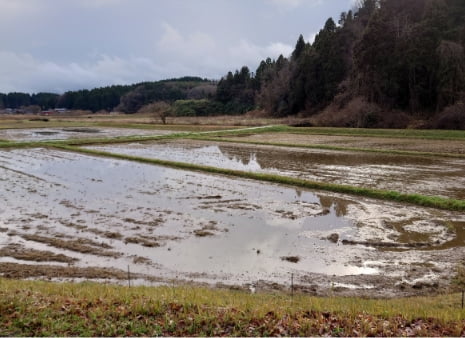
    Rice fields are kept flooded during the winter ensuring the ibis can forage for food

  • No use of herbicides

    No use of herbicides

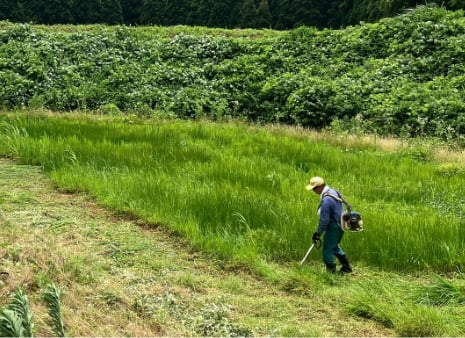
    Weeds are managed without the use of herbicides

  • Wildlife surveys

    Wildlife surveys

    Survey of wildlife at the project site to assess the populations of wildlife that serve as prey to the ibis

Promotional video

Tell me more!

A model for the reintroduction of the crested ibis

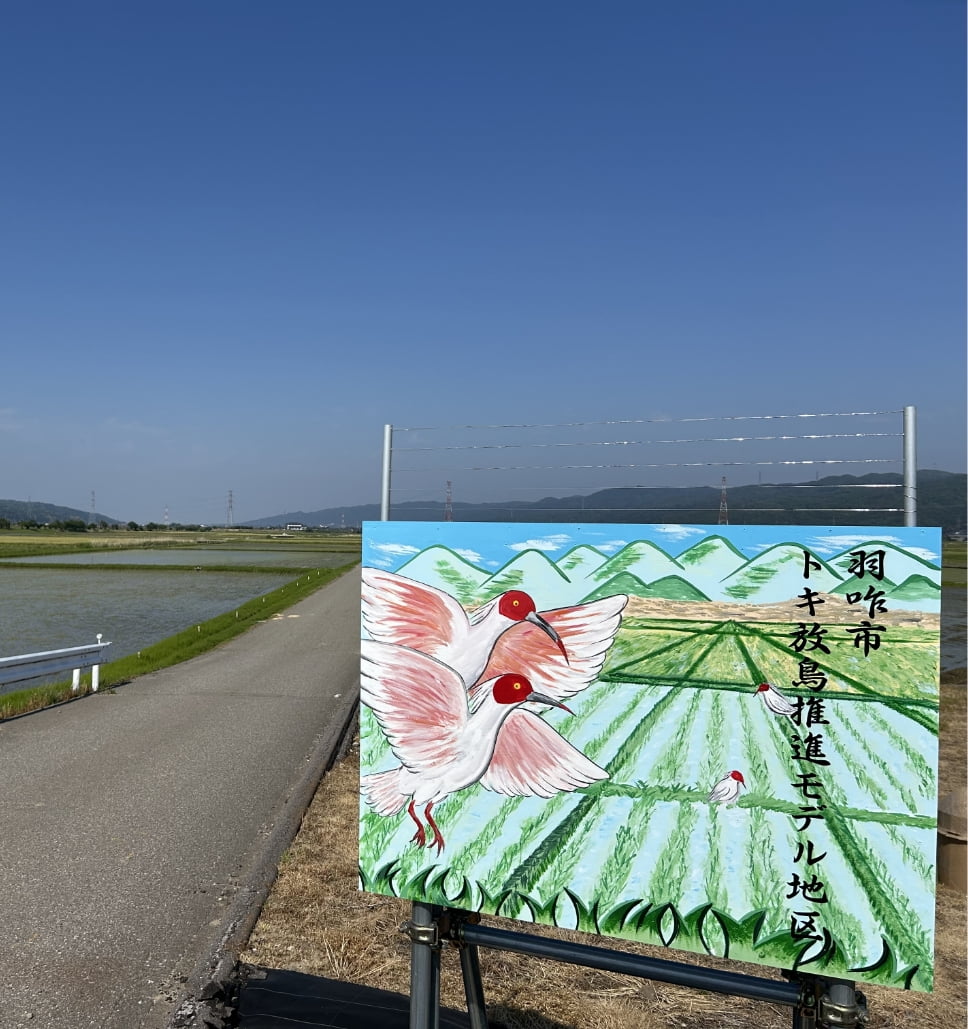
The crested ibis has a wide variety of prey, including frogs, loaches, earthworms, and grasshoppers found in rice fields.In 2022, to ensure favorable conditions for the reintroduction of the crested ibis, Ishikawa Prefecture designated “model areas”, one in each of the four cities and five towns in the Noto region in 2022.In these model areas, local farmers are reducing their use of chemical fertilizers and synthetic pesticides to create hospitable feeding grounds for the ibis.This initiative draw inspiration from similar initiatives on Sado Island.One of these model areas is Hakui City’s Minamikata district which will be the first reintroduction site on Honshū.

Model Area Initiative

1.Decrease usage of chemical fertilizers and synthetic chemical pesticides by over half
2.Construction of inlets, canals for fish, and flooded rice paddies
3.Flooding of rice fields in winter
4.No use of herbicid
5.Wildlife surveys

Initiatives in the Model District
A model for the reintroduction of the crested ibis

Ishikawa Prefecture and the Crested Ibis

Ishikawa Prefecture and the Crested Ibis

Ishikawa Prefecture has a long-standing connection to the crested ibis;in Noto, they could be seen soaring through the skies until the early Showa period.The crested ibises that inhabited Noto built their nests in Oku-Noto during the breeding season and, come summer, migrated to Mt. Bijō near Hakui City in search of prey.However, the population declined due to factors such as the neglect of rural woodlands.In 1970, following a government directive, nori, the last Japanese crested ibis on Honshu, was captured in Anamizu Town and transported to Sado Island, marking the extinction of the species on Honshū.In 1981, the last five remaining ibises in Japan were captured on Sado Island, and the wild Japanese crested ibis disappeared from the country.In 1999, the crested ibises brought from China were successfully bred in captivity.In 2008, 10 ibises were released into the wild on Sado Island for the first time, returning a long-missed animal to the ecosystem.In 2010, a pair of crested ibises from the Sado Japanese Crested Ibis Conservation Center were transported to Ishikawa Zoo.In 2026 it was decided they would be reintroduced to Hakui City, and become a symbol for the creative recovery from the 2024 Noto Peninsula earthquake.